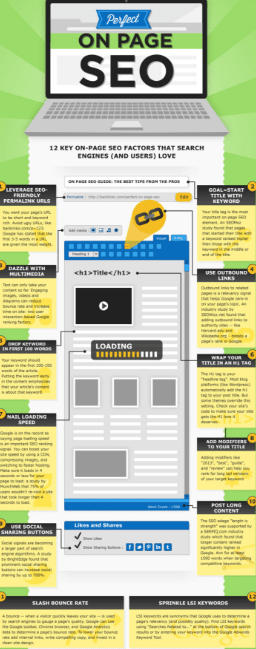
Achieving high rankings on search engines is crucial for driving organic traffic and generating leads. On-page SEO, a fundamental aspect of SEO strategy, involves optimizing individual web pages to improve their search engine rankings. At Webinfomatrix, we understand the intricacies of on-page SEO and have developed a perfect checklist to help you achieve higher rankings and enhance your online presence.
On-page SEO refers to the practice of optimizing various elements within a webpage to improve its visibility and ranking on search engines. Unlike off-page SEO, which focuses on external signals like backlinks, on-page SEO is entirely within your control. By following a comprehensive on-page SEO checklist, you can ensure that your content is search-engine-friendly and user-friendly, leading to better rankings and higher engagement.
Keyword Research and Optimization
Identifying Target Keywords
Effective keyword research is the cornerstone of on-page SEO. Start by identifying relevant keywords that your target audience is searching for. Tools like Google Keyword Planner, SEMrush, and Ahrefs can help you discover high-traffic, low-competition keywords. Focus on long-tail keywords that are more specific and have higher conversion rates.
Optimizing Title Tags
Title tags are one of the most important on-page SEO elements. Craft compelling, keyword-rich titles that accurately describe the content of your page. Ensure that your primary keyword is placed at the beginning of the title tag, and keep it under 60 characters to avoid truncation in search results.
Crafting Engaging Meta Descriptions
Meta descriptions play a significant role in attracting clicks from search engine results pages (SERPs). Write concise, informative meta descriptions that include your target keywords. Aim for around 150-160 characters to ensure the entire description is visible in search results.
Using Header Tags Effectively
Header tags (H1, H2, H3, etc.) help structure your content and make it easier for search engines to understand the hierarchy of information. Use the H1 tag for your main title, and incorporate target keywords naturally. Subheadings (H2, H3) should also contain relevant keywords and guide readers through the content.
Content Optimization
Creating High-Quality Content
High-quality content is the foundation of successful on-page SEO. Create informative, engaging, and valuable content that addresses the needs and questions of your audience. Use a mix of text, images, videos, and infographics to enhance the user experience.
Keyword Placement and Density
Integrate target keywords naturally throughout your content. Avoid keyword stuffing, as it can harm your rankings and readability. Aim for a keyword density of around 1-2%, and ensure that keywords are placed in strategic locations such as the introduction, subheadings, and conclusion.
Using LSI Keywords
Latent Semantic Indexing (LSI) keywords are related terms that help search engines understand the context of your content. Include LSI keywords to provide more depth and relevance to your content. Tools like LSIGraph can assist in identifying relevant LSI keywords.
Internal and External Linking
Implementing Internal Links
Internal links help search engines discover and index your pages while also improving user navigation. Link to relevant pages within your website using descriptive anchor text. This not only enhances SEO but also keeps visitors engaged and encourages them to explore more content.
Incorporating External Links
Linking to authoritative external sources adds credibility to your content and provides additional value to your readers. Ensure that external links open in a new tab to keep users on your site. Use external links sparingly and only when they enhance the quality of your content.
Optimizing URL Structure
Creating SEO-Friendly URLs
URLs should be short, descriptive, and include target keywords. Avoid using special characters, numbers, and unnecessary words. Use hyphens to separate words for better readability. A clean URL structure improves user experience and helps search engines understand the content of your page.
Canonical Tags
Canonical tags prevent duplicate content issues by specifying the preferred version of a webpage. If you have multiple pages with similar content, use canonical tags to indicate the primary version. This helps consolidate link equity and ensures that search engines index the correct page.
Image Optimization
Using Descriptive File Names
Before uploading images, rename the files with descriptive, keyword-rich names. Avoid generic names like “IMG1234.jpg” and instead use names that reflect the content of the image.
Adding Alt Text
Alt text (alternative text) describes the content of an image and is crucial for accessibility and SEO. Include relevant keywords in the alt text, but keep it concise and descriptive. Alt text helps search engines understand the image and improves the chances of appearing in image search results.
Compressing Images
Large image files can slow down your website, negatively impacting user experience and SEO. Use image compression tools to reduce file sizes without compromising quality. Faster-loading pages lead to better rankings and higher user satisfaction.
Mobile Optimization
With the increasing use of mobile devices, having a responsive design is essential. Ensure that your website is mobile-friendly and adapts to different screen sizes. A responsive design improves user experience and is a ranking factor in mobile search results.
Mobile Page Speed
Page speed is critical for both desktop and mobile users. Optimize your website’s loading time by minimizing code, leveraging browser caching, and using a content delivery network (CDN). Google’s PageSpeed Insights can provide recommendations for improving mobile page speed.
User Experience and Engagement
Fast-loading pages enhance user experience and reduce bounce rates. Optimize your website’s performance by compressing files, minimizing HTTP requests, and using asynchronous loading for scripts. A faster website leads to higher rankings and better user engagement.
Enhancing Readability
Content readability is vital for keeping visitors engaged. Use short paragraphs, bullet points, and subheadings to break up the text. Choose a legible font size and style, and ensure there is sufficient contrast between the text and background.
Encouraging Social Sharing
Social signals can indirectly impact SEO by driving traffic and increasing brand visibility. Add social sharing buttons to your content to encourage readers to share it on their social networks. Engaging content is more likely to be shared, attracting more visitors to your site.
Technical SEO Elements
XML Sitemaps
An XML sitemap helps search engines crawl and index your website more efficiently. Create and submit an XML sitemap to search engines like Google and Bing. Ensure that the sitemap is updated regularly to reflect any changes to your website.
Robots.txt File
The robots.txt file instructs search engine crawlers on which pages to index and which to ignore. Properly configure your robots.txt file to prevent indexing of duplicate content, admin pages, and other non-essential pages. This ensures that search engines focus on your most valuable content.
Structured Data Markup
Structured data markup (schema markup) helps search engines understand the content and context of your web pages. Implement schema markup to enhance your search results with rich snippets, such as star ratings, reviews, and event details. This can improve click-through rates and visibility.
Monitoring and Analysis
Using Google Analytics
Google Analytics provides valuable insights into your website’s performance. Monitor key metrics such as organic traffic, bounce rate, and average session duration. Analyze this data to identify areas for improvement and measure the effectiveness of your on-page SEO efforts.
Google Search Console
Google Search Console is a powerful tool for monitoring your website’s search performance. Use it to track keyword rankings, identify indexing issues, and submit sitemaps. Regularly review the performance report to understand how your pages are performing in search results.
Conducting Regular Audits
Perform regular on-page SEO audits to ensure that your website remains optimized. Use tools like Screaming Frog, Ahrefs, and SEMrush to identify technical issues, broken links, and other SEO errors. Address these issues promptly to maintain high search engine rankings.
Partner with Webinfomatrix for SEO Success
At Webinfomatrix, we are committed to helping you achieve higher rankings and online success. Our comprehensive on-page SEO checklist is designed to optimize every aspect of your web pages, ensuring that they meet the highest standards of search engine optimization. By following our guide, you can enhance your website’s visibility, drive more organic traffic, and ultimately achieve your business goals.
Ready to take your SEO strategy to the next level? Partner with Webinfomatrix and let our experts guide you towards achieving unparalleled online success. Contact us today to learn more about our on-page SEO services and how we can help your business thrive in the digital landscape.
Get in Touch
Website – https://www.webinfomatrix.com
Mobile – +91 9212306116
Whatsapp – https://call.whatsapp.com/voice/9rqVJyqSNMhpdFkKPZGYKj
Skype – shalabh.mishra
Telegram – shalabhmishra
Email – info@webinfomatrix.com
 Site Title